


Choosing the right web hosting service can make or break your online presence. You might be wondering which one suits your needs best: Bluehost, Hostinger, or GoDaddy?
Each promises reliability and speed, but they differ in price, features, and ease of use. If you want a hassle-free experience without overspending, you need to know the key differences before making your decision. Keep reading to discover which hosting provider fits your goals perfectly—and why many users are turning to Hostinger for affordable, high-quality hosting solutions.

Credit: themeisle.com
Introduction To Bluehost, Hostinger, And Godaddy
Choosing the right web hosting provider is crucial for your website’s success. Bluehost, hostinger, and GoDaddy are three popular names in the hosting world. Each offers unique features and services tailored to different needs. This section introduces these providers to help you understand their strengths and differences.
Overview Of Each Hosting Provider
| Provider | Type of Hosting | Key Features | Target Users |
|---|---|---|---|
| Bluehost | Shared, VPS, Dedicated | Easy WordPress integration, 24/7 support, Free SSL | Beginners, Bloggers, Small Businesses |
| Hostinger | Shared, Cloud, VPS, Dedicated, Email | Affordable plans, High speed, User-friendly control panel | Budget-conscious users, Developers, Growing websites |
| GoDaddy | Shared, VPS, Dedicated, WordPress | Domain registration, Website builder, 24/7 support | Domain owners, Beginners, Small to mid-size businesses |
Purpose And Popularity In The Hosting Market
- Bluehost focuses on WordPress hosting and beginner-friendly tools.
- Hostinger offers budget-friendly plans without compromising speed.
- GoDaddy is a top choice for domain registration and all-in-one services.
- All three have millions of users worldwide and strong reputations.
- They compete by balancing price, features, and support quality.
What To Expect In This Comparison
This comparison will cover:
- Performance: Speed and uptime reliability.
- Pricing: Plans and renewal costs.
- Features: Tools, security, and extras.
- Customer Support: Availability and quality.
- User Experience: Ease of use and control panels.
By the end, you will understand which host fits your needs best.

Credit: www.youtube.com
Key Features That Set Each Hosting Provider Apart
Choosing the right web host means knowing what each provider offers. Bluehost, Hostinger, and GoDaddy each bring unique features. These features help different types of users find the best fit. The following sections highlight what makes each hosting provider special.
Bluehost: Optimized For WordPress And User-friendly Interface
Bluehost focuses on WordPress users. It offers easy one-click WordPress installation. This saves time and effort for beginners.
The interface is simple and clean. Users can manage websites, domains, and emails without confusion.
- Free SSL certificate for security
- Automatic WordPress updates
- 24/7 customer support specialized in WordPress
- Custom cPanel designed for ease
Bluehost also provides scalable plans. This allows websites to grow smoothly without switching hosts.
Hostinger: Affordable Plans With High-speed Performance
Hostinger is known for its low prices and fast servers. It uses LiteSpeed caching technology. This improves loading times dramatically.
Hostinger offers a custom control panel that is easy to use. It supports shared, cloud, VPS, and dedicated hosting.
| Feature | Benefit |
|---|---|
| Affordable Pricing | Good for budget-conscious users |
| 99.9% Uptime Guarantee | Reliable website availability |
| Global Data Centers | Faster access for worldwide visitors |
| Free SSL and Daily Backups | Improved security and data safety |
Godaddy: Comprehensive Domain Management And Marketing Tools
GoDaddy excels in domain registration and management. Users can buy, transfer, and manage domains easily.
It offers marketing tools alongside hosting. These help users promote their websites and grow traffic.
- Integrated website builder with SEO guidance
- Email marketing and social media tools
- 24/7 phone support with domain experts
- One-stop shop for domains, hosting, and marketing
GoDaddy’s dashboard combines domain and hosting controls. This streamlines site and brand management for beginners.
Performance And Reliability Comparison
Performance and reliability are critical factors when choosing a web host. They affect your website’s speed, uptime, and ability to handle visitors. Bluehost, Hostinger, and GoDaddy each offer different strengths in these areas. Understanding their differences helps pick the best host for your site’s needs.
Uptime And Server Speed Analysis
Uptime measures how often a server stays online without downtime. A high uptime means your site stays accessible almost all the time.
| Hosting Provider | Average Uptime | Server Speed |
|---|---|---|
| Bluehost | 99.98% | Fast, stable response times |
| Hostinger | 99.99% | Very fast loading speeds |
| GoDaddy | 99.95% | Good speed but slightly slower |
Hostinger leads slightly in uptime and speed. Bluehost offers reliable performance. GoDaddy is solid but not the fastest.
Data Center Locations And Their Impact
Data center locations affect website speed and reliability. The closer a server is to your visitors, the faster your site loads.
- Bluehost: Centers mainly in the US, good for North American audiences.
- Hostinger: Multiple centers worldwide including Europe, Asia, and the US.
- GoDaddy: Several global data centers, with focus on US and Europe.
Hostinger’s global presence helps deliver faster content worldwide. Bluehost and GoDaddy serve well but with fewer global options.
Handling Traffic Spikes And Scalability
Websites can get sudden traffic increases. Hosts must manage these spikes without slowing down or crashing.
- Bluehost: Offers scalable plans and resources to handle growth smoothly.
- Hostinger: Uses cloud technology to adjust resources quickly during spikes.
- GoDaddy: Provides flexible upgrades but may need manual plan changes.
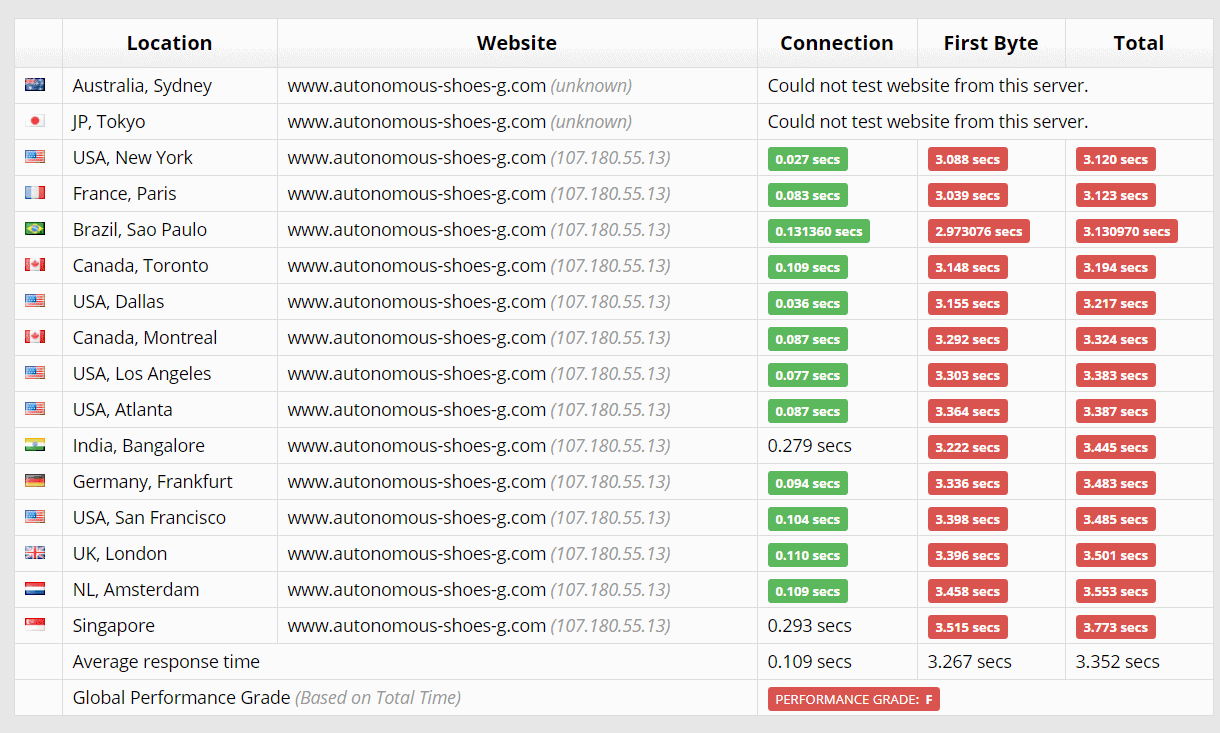
Hostinger’s cloud hosting provides fast scaling during traffic surges. Bluehost supports growth with easy upgrades. GoDaddy works but less automatically.
Credit: www.websiteplanet.com
Pricing And Affordability Breakdown
Choosing the right web host depends heavily on price and what you get for it. Bluehost, Hostinger, and GoDaddy offer different plans targeting various needs. Understanding their pricing structure helps pick a host that fits your budget and requirements.
Detailed Plan Comparisons And Renewal Rates
| Provider | Basic Plan Price (Starting) | Renewal Price | Storage | Bandwidth |
|---|---|---|---|---|
| Hostinger | $1.99/month | $3.99/month | 30 GB SSD | 100 GB |
| Bluehost | $2.95/month | $8.99/month | 50 GB SSD | Unmetered |
| GoDaddy | $5.99/month | $8.99/month | 100 GB | Unmetered |
Hostinger offers the lowest starting price, ideal for tight budgets. Bluehost provides more storage and unmetered bandwidth but at a higher renewal cost. GoDaddy’s plans start higher, with moderate renewal fees.
Value For Money Based On Features Offered
- Hostinger includes a free SSL, daily backups, and a user-friendly control panel in all plans.
- Bluehost offers free domain registration for the first year and 24/7 customer support.
- GoDaddy provides easy WordPress integration and a website builder, but fewer freebies on basic plans.
Hostinger balances price and features well, especially for beginners. Bluehost is strong on support and added perks. GoDaddy suits users wanting easy setup and tools but may cost more.
Hidden Costs And Extra Fees To Watch Out For
- Renewal Rate Surprises: All three hosts raise prices after the initial term.
- Domain Fees: Bluehost offers a free domain first year, Hostinger and GoDaddy charge yearly fees.
- Backups and Security: Hostinger includes backups; Bluehost charges for some security add-ons.
- Migration Fees: Bluehost offers free migrations; GoDaddy and Hostinger may charge depending on plan.
- Payment Terms: Discounts apply mostly to long-term commitments.
Watch renewal rates closely to avoid surprises. Check which extras cost extra before committing.
User Experience And Customer Support
User experience and customer support are crucial for web hosting services. They shape how easily users manage their websites and solve problems. Bluehost, Hostinger, and GoDaddy each offer unique features and support options. Understanding their strengths helps users choose the right host.
Ease Of Use And Control Panel Features
Bluehost uses a custom cPanel that is clean and beginner-friendly. Its dashboard organizes essential tools clearly, making site management simple.
Hostinger
GoDaddy
| Feature | Bluehost | Hostinger | GoDaddy |
|---|---|---|---|
| Control Panel Type | Custom cPanel | hPanel (custom) | Proprietary panel |
| Ease of Use | Beginner-friendly | Intuitive and fast | Simple but limited |
| Key Features | App installer, domain manager | One-click installs, file manager | Basic hosting tools |
Quality And Availability Of Customer Support
Bluehost
Hostinger
GoDaddy
- Bluehost: Fast, helpful, multi-channel support
- Hostinger: Quick live chat, detailed help center
- GoDaddy: Phone and chat support, mixed reviews
Onboarding Process For Beginners
Bluehost
Hostinger
GoDaddy
- Bluehost: Guided setup, pre-installed apps
- Hostinger: Setup wizards, clear instructions
- GoDaddy: Step-by-step assistant, domain focus
Security Features And Backup Options
Security and backups are essential for website hosting. They protect your data and keep your site safe from attacks. Bluehost, Hostinger, and GoDaddy offer different security features and backup options. Understanding their strengths helps choose the right host for your needs.
Built-in Security Measures Per Provider
| Provider | Security Features |
|---|---|
| Bluehost |
|
| Hostinger |
|
| GoDaddy |
|
Backup Frequency And Restoration Processes
Bluehost offers automatic daily backups with easy restoration. Users can restore files or databases via the control panel.
Hostinger provides weekly backups on shared hosting plans. Restoring backups is simple through the hPanel dashboard.
GoDaddy performs daily backups but restoration may require manual steps or paid upgrades depending on the plan.
Protection Against Common Threats And Vulnerabilities
- Bluehost: Protects against brute force attacks and SQL injections using firewalls.
- Hostinger: Uses BitNinja to block suspicious traffic and stop malware automatically.
- GoDaddy: Includes DDoS protection and offers malware removal as an add-on service.
Each provider defends against common website threats with different tools. Hostinger focuses on automated malware blocking. Bluehost emphasizes firewalls and spam filtering. GoDaddy adds protection through paid security features.
Pros And Cons Based On Real-world Usage
Choosing the right web hosting provider matters for website speed, uptime, and support. Real users share honest feedback about their experiences. This section highlights the strengths and weaknesses of Bluehost, Hostinger, and GoDaddy based on practical usage. This helps you understand what each provider offers beyond marketing claims.
Strengths And Weaknesses Of Bluehost
Bluehost is popular among beginners and small businesses.
- Strengths:
- Easy-to-use control panel with cPanel integration
- 24/7 customer support via live chat and phone
- Good uptime, generally above 99.9%
- Free domain name for the first year
- One-click WordPress installation
- Weaknesses:
- Higher renewal prices compared to initial offers
- Limited website migration support unless paid
- Performance can slow during traffic spikes
- Basic plans have limited storage and bandwidth
Strengths And Weaknesses Of Hostinger
Hostinger is known for affordable pricing and speed.
- Strengths:
- Very low prices with solid features
- Fast loading times due to LiteSpeed caching
- Custom hPanel that is beginner-friendly
- Free SSL certificate and daily backups included
- Multiple data centers worldwide for better performance
- Weaknesses:
- No phone support; only live chat and tickets
- Limited resources on the basic shared hosting plan
- Some advanced features reserved for higher-tier plans
- Uptime occasionally dips below industry standards
Strengths And Weaknesses Of Godaddy
GoDaddy is a large hosting company with many services.
- Strengths:
- Wide variety of hosting options and add-ons
- Integrated domain registration and hosting
- 24/7 phone support with fast response times
- User-friendly website builder included
- Strong marketing tools for small businesses
- Weaknesses:
- Hosting speed and uptime can be inconsistent
- Extra costs for SSL certificates and backups
- Interface can be cluttered and confusing
- Renewal rates significantly higher than first term
Ideal Users And Use Case Recommendations
Choosing the right web hosting depends on your needs and website type. Each provider suits different users and goals. Understanding who benefits most from Bluehost, Hostinger, or GoDaddy helps in making the best choice.
Best Hosting Choice For Small Businesses
Bluehost offers strong support and easy setup for small businesses. Its features include:
- Reliable uptime and security
- Free SSL certificate included
- Customizable with WordPress integration
- User-friendly control panel
Hostinger
- Low-cost shared hosting
- Good performance with LiteSpeed servers
- Simple website builder tools
GoDaddy
- One-stop-shop for hosting and domains
- 24/7 customer support
- Easy email setup linked to hosting
Optimal Solutions For Bloggers And Content Creators
Hostinger
- Optimized WordPress hosting
- Free SSL and daily backups
- Simple control panel for beginners
Bluehost
- One-click WordPress install
- Integrated content management tools
- Strong security with malware protection
GoDaddy
- Website builder with templates
- Marketing and SEO tools included
- Good for hosting and domain in one place
Recommendations For E-commerce And High-traffic Sites
| Hosting Provider | Strengths for E-commerce & High Traffic | Ideal Use Cases |
|---|---|---|
| Bluehost |
| Growing online stores, high visitor volume |
| Hostinger |
| Medium traffic shops, budget-conscious scaling |
| GoDaddy |
| Established stores, large traffic spikes |
Final Verdict: Which Hosting Provider Wins In 2025?
Choosing the best hosting provider in 2025 depends on your website’s needs and goals. Bluehost, Hostinger, and GoDaddy each offer unique strengths. Understanding their differences helps you make the right choice. This section breaks down their key features, suitability, and what to expect in the future.
Summary Of Key Differences And Advantages
| Provider | Strengths | Ideal For | Pricing | Performance |
|---|---|---|---|---|
| Bluehost | Strong WordPress support, easy setup, reliable uptime | Beginners, bloggers, small businesses | Mid-range pricing | Good speed and uptime |
| Hostinger | Affordable plans, fast loading, cloud and VPS options | Budget users, growing websites, tech-savvy users | Lowest pricing | Excellent speed and scalability |
| GoDaddy | Large market presence, domain services, 24/7 support | Domain buyers, small to medium businesses | Varies, often higher for advanced features | Decent performance, occasional slowdowns |
Choosing The Right Hosting Based On Your Needs
Bluehost suits those who want simple WordPress hosting. It offers easy tools for beginners and reliable service.
Hostinger is perfect for users on a tight budget. It provides fast servers and options to upgrade to cloud or VPS hosting.
GoDaddy fits users who want domain and hosting in one place. It has strong customer support and many add-on services.
- For blogs and simple websites, Bluehost is ideal.
- For fast, affordable hosting with growth potential, choose Hostinger.
- For domain management and business hosting, GoDaddy works well.
Future Trends And What To Expect From Each Provider
Bluehost will focus on improving WordPress tools and customer experience. Expect better integration with website builders and enhanced security.
Hostinger aims to expand cloud hosting and VPS services. More speed optimizations and flexible plans will attract growing websites.
GoDaddy plans to strengthen domain services and add more marketing tools. Support and uptime improvements will be a priority.
All three providers will adapt to new web technologies and security standards. Faster loading times and better uptime remain key goals.
Frequently Asked Questions
Which Hosting Provider Offers The Best Value For Beginners?
Hostinger provides affordable plans with easy-to-use features, ideal for beginners. Bluehost offers reliable support and scalability. GoDaddy is suitable for domain management but can be pricier for hosting. Overall, Hostinger balances cost and features best for new users.
How Do Bluehost, Hostinger, And Godaddy Compare In Speed?
Hostinger generally offers faster loading times due to optimized servers. Bluehost provides solid speed with a good global network. GoDaddy’s speed varies and can be slower under heavy traffic. Speed depends on your specific hosting plan and location.
Which Host Has The Most Reliable Customer Support?
Bluehost is known for 24/7 expert support via chat and phone. Hostinger offers responsive live chat and ticket support, mostly during business hours. GoDaddy provides 24/7 phone support but chat support can be limited. Bluehost leads in consistent customer service.
Are Bluehost, Hostinger, And Godaddy Good For WordPress Hosting?
Yes, all three support WordPress well. Bluehost is officially recommended by WordPress. org. Hostinger offers optimized WordPress plans with good speed and security. GoDaddy includes easy WordPress installation but fewer advanced features. Bluehost and Hostinger are preferred for WordPress sites.
Conclusion
Choosing the right web host depends on your needs and budget. Bluehost offers solid features and good support. GoDaddy is popular for domain services and easy setup. Hostinger provides affordable plans with reliable performance. For affordable and fast hosting options, consider Hostinger. Each provider has strengths, so weigh your priorities carefully. Good hosting can make your website run smoothly and grow over time. Take your time and pick what fits you best.