
Choosing the right hosting provider can make or break your website’s success. You want fast loading times, reliable uptime, and support that actually helps when you’re stuck.
That’s why comparing Namecheap and Hostinger matters—both promise great services, but which one truly delivers the best value for your money and needs? If you’re tired of hidden fees, slow support, or limited features holding your site back, this head-to-head look at Namecheap vs Hostinger will give you the clear answers you need. Ready to find out which hosting service fits your goals perfectly? Let’s dive in and uncover what each offers, so you can make the smartest choice for your online presence. If you want to check out Hostinger right away, you can explore their plans here: Hostinger Hosting Plans.
Credit: hostadvice.com
Introduction To Namecheap And Hostinger Hosting
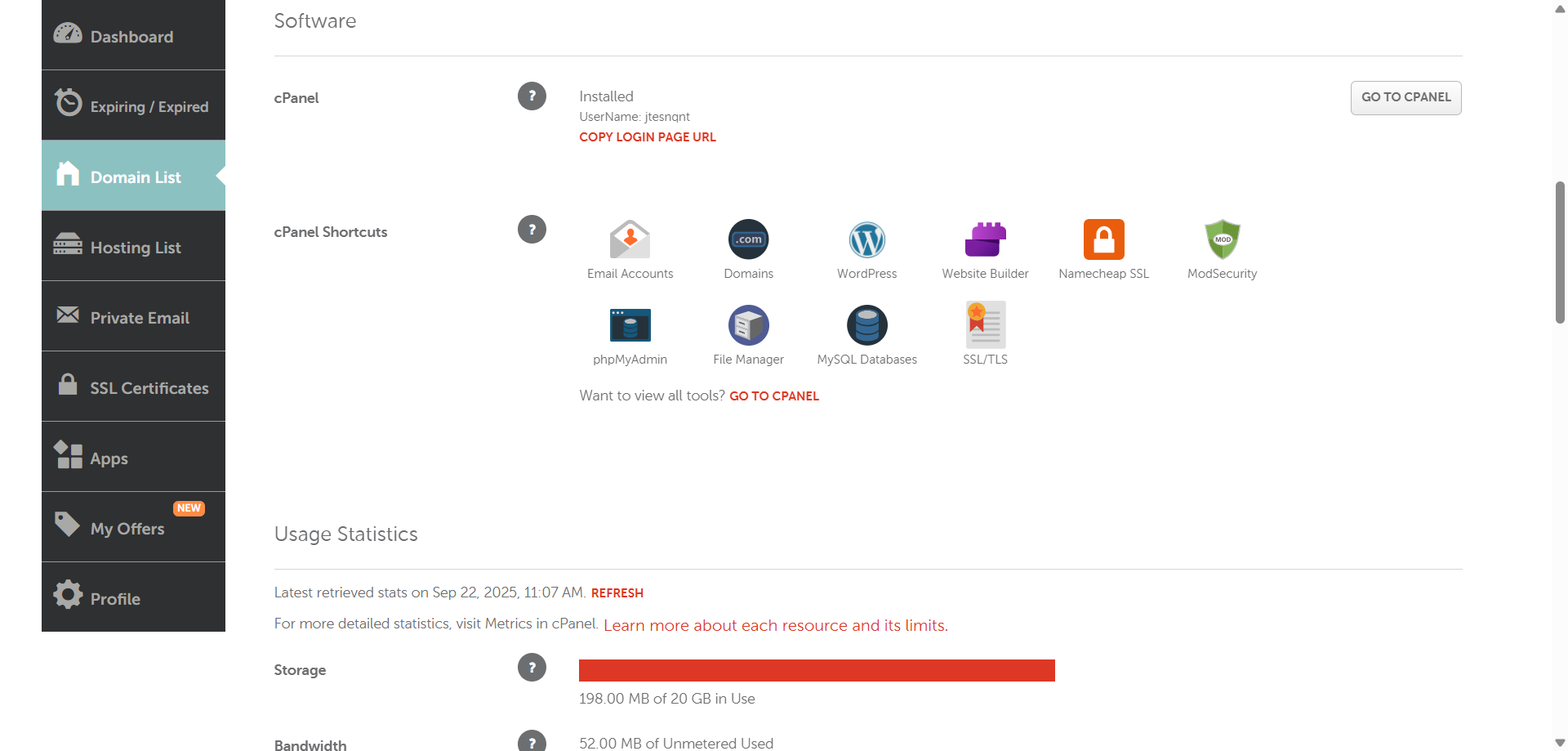
Namecheap hosting stands out with its balance of affordability and ease of use. It suits users who want simple, reliable hosting for small to medium websites. The platform offers domain registration, hosting plans, and security features designed for beginners and budget-conscious users.
Affordable Domain Registration With Free Privacy Protection
Namecheap provides domain registration at low prices. Every domain includes free privacy protection, which keeps your personal information hidden from public view. This feature adds value by securing your identity without extra cost.
- Competitive initial pricing for domains
- Free WHOIS privacy protection included
- Easy domain management tools
User-friendly Interface And Onboarding Experience
The Namecheap dashboard is simple and clean. New users can navigate easily without confusion. The onboarding process guides users to set up hosting and domains quickly.
- Intuitive control panel
- Step-by-step setup guides
- Minimal technical jargon
Entry-level Hosting Plans: What You Get And What’s Missing
Entry-level plans offer basic features at attractive prices. Users get:
| Features | Included | Missing |
|---|---|---|
| Storage | 20 GB SSD | Unlimited storage not available |
| Bandwidth | Unmetered | Limits on concurrent connections |
| Backups | Manual backups only | No automatic daily backups |
| Databases | One MySQL database | Limited database support |
| SSL Certificate | Free SSL included | Advanced security tools missing |
Security Features And Backup Options
Namecheap includes free SSL certificates to secure website data. Basic malware scanning is available, but advanced security features require upgrades.
Backups are manual on entry plans. Users must create backups themselves or upgrade for automatic options.
- Free SSL certificates for encryption
- Basic malware scanning tools
- Manual backups; no auto backups on low tiers
Performance For Small To Medium-traffic Websites
Namecheap hosting performs well for websites with small to medium traffic. SSD storage helps with speed, but high-traffic sites may face slowdowns.
- Good uptime and reliability for basic sites
- SSD storage boosts load times
- Not ideal for large, high-traffic websites

Credit: www.youtube.com
Key Features And Benefits Of Namecheap Hosting
Namecheap Hosting suits users with simple hosting needs and domain management. It works well for individuals and small businesses wanting affordable, easy-to-use services. The platform excels in domain registration and basic hosting but has limits for more demanding websites.
Best For Small Websites And Domain-focused Users
Namecheap offers a strong domain registration service with free privacy protection. Small websites benefit from:
- Simple setup and management
- Affordable entry-level plans
- Good domain control features
These features make it ideal for blogs, portfolios, and small business sites.
Suitability For Beginners And Basic Website Needs
Namecheap’s interface is user-friendly, easing the learning curve for beginners. Features include:
- Easy-to-use control panel
- Basic backup options on higher tiers
- Support primarily via chat
This hosting is suitable for users with simple websites who need reliable domain management and basic hosting.
Limitations For High-traffic Or Enterprise-level Sites
Namecheap struggles with performance for high-traffic sites. Issues include:
- Limited scalability
- Lower-tier plans lack advanced features like database support and regular backups
- Potential slow chat support response times
- Higher renewal fees that increase overall costs
It is not recommended for enterprise websites or those needing fast, scalable hosting.
Key Features And Benefits Of Hostinger Hosting
Hostinger offers hosting plans suited for various users. It balances affordability with strong performance. Its services appeal mostly to those who want scalable hosting without overspending. The platform supports growth with flexible options and easy upgrades. Users benefit from fast loading speeds and reliable uptime. Hostinger’s range covers shared hosting, VPS, and cloud services, fitting many website needs.
Best For Budget-conscious Users Seeking Scalability
Hostinger stands out for low-cost hosting that scales well. It is perfect for users with tight budgets. The plans start at very affordable prices, making it easy to start small. As website traffic grows, users can upgrade smoothly without switching hosts.
- Shared hosting plans are cheap and beginner-friendly.
- Easy upgrades to VPS or cloud hosting allow growth.
- Good performance despite low pricing.
- Free SSL and daily backups boost value.
Startups, bloggers, and small businesses find Hostinger ideal. It offers essential tools without extra costs. Users avoid paying for features they don’t need yet.
Suitable Scenarios For Vps And Growing Websites
VPS hosting with Hostinger fits websites that need more power. It suits growing websites with rising traffic and resource demands.
| Use Case | Hostinger VPS Features | Benefits |
|---|---|---|
| Medium-sized business websites | Dedicated CPU cores, SSD storage, root access | Improved speed and control |
| Developers and tech-savvy users | Customizable environments, full server control | Flexibility in app hosting and testing |
| Sites expecting traffic growth | Scalable resources, easy plan upgrades | Seamless handling of higher loads |
Hostinger’s VPS plans allow users to manage resources carefully. This makes it a good choice for websites needing more power than shared hosting can offer.
Not Recommended For Users Needing Dedicated Servers Or Advanced Business Features
Hostinger does provide dedicated hosting, but it lacks some advanced features. Large enterprises or websites requiring high security may find limits.
- No extensive enterprise-grade tools or managed services.
- Limited options for custom server configurations.
- Not ideal for very high-traffic or mission-critical sites.
- Advanced business features like dedicated account managers are missing.
Businesses needing full server control and premium support might prefer other providers. Hostinger suits smaller to medium users better than large corporate clients.
Credit: www.hostingseekers.com
Pricing And Affordability Breakdown
Choosing the right hosting provider can shape your website’s success in 2026. Namecheap and Hostinger both offer solid options but differ in key areas. This section breaks down their differences, helping you pick what fits your needs best.
Summary Of Key Differentiators
| Feature | Namecheap | Hostinger |
|---|---|---|
| Pricing | Low initial cost, but high renewal fees | Consistently affordable with clear pricing |
| Support | Chat-only, sometimes slow response | 24/7 live chat and faster replies |
| Performance | Can struggle with high-traffic sites | Better speed and scalability |
| Features | Limited on low-tier plans (no backups, limited databases) | More comprehensive, even on basic plans |
| Extras | Free domain privacy, basic AI builder | Advanced tools, strong website builder |
Decision Factors Based On User Priorities
Match your priorities with what each provider offers:
- Budget-conscious users: Hostinger’s steady pricing beats surprise renewal hikes.
- Support seekers: Hostinger’s 24/7 live chat is more reliable.
- Beginners: Namecheap’s simple domain management helps start small projects.
- Growing websites: Hostinger handles traffic surges and resource needs better.
- Feature lovers: Hostinger offers backups and databases even in cheaper plans.
Recommendations For Different Types Of Website Owners
- Personal bloggers or hobby sites: Namecheap works well for low traffic and simple needs.
- Small businesses: Hostinger’s reliability and features support growth smoothly.
- E-commerce stores: Hostinger provides better speed and uptime for sales.
- Developers or tech-savvy users: Hostinger offers VPS and cloud hosting options with more control.
- Domain-focused users: Namecheap excels in domain services and privacy protection.
Tips For Navigating Pricing And Support Challenges
- Check renewal prices before signing up to avoid surprises.
- Test customer support responsiveness with quick questions.
- Use trial periods or money-back guarantees to evaluate service.
- Look for bundled features like backups to save extra costs.
- Monitor your website’s traffic growth to upgrade plans timely.
Frequently Asked Questions
What Are The Disadvantages Of Namecheap?
Namecheap has high renewal fees and limited features on basic plans. Chat support can be slow, and performance may lag on high-traffic sites. Upselling increases costs, and its website builder lacks advanced options. Some users report account and payment issues.
What Is The Disadvantage Of Hostinger?
Hostinger’s main disadvantages include limited customer support, a custom hPanel that may confuse cPanel users, and website builder restrictions. Users cannot switch templates without rebuilding, and bypassing the AI chatbot to reach human help can be difficult.
Which Hosting Platform Is Best?
The best hosting platform depends on your needs. Hostinger offers affordable speed, while Namecheap suits basic sites. Choose based on budget, performance, and support preferences.
Is Namecheap Hosting Any Good?
Namecheap hosting offers affordable plans with free domain privacy and easy setup. It suits beginners but has slower support and limited features on basic plans. Performance may lag on high-traffic sites, and renewal fees rise significantly. Overall, it fits small websites but lacks advanced scalability.
Conclusion
Choosing between Namecheap and Hostinger depends on your hosting needs and budget. Namecheap offers affordable domains but has higher renewal fees and limited features on basic plans. Hostinger provides better performance and more features, especially for beginners and growing sites. For reliable, cost-effective hosting, Hostinger stands out as a solid choice. Explore their plans and benefits here: Hostinger Hosting. Make your decision based on what fits your website goals best.