

Choosing the right web hosting service can make or break your online presence. You want a provider that gives you fast speeds, solid features, and great value without draining your budget.
That’s why comparing Bluehost vs. Hostinger is so important. You might already know Bluehost as a big name in hosting, but Hostinger has been making waves with cheaper plans and impressive performance. Which one fits your needs better? You’ll discover the key differences, pros, and cons of both. By the end, you’ll feel confident about which hosting service to trust for your website’s success. Ready to find the perfect match for your online journey? Let’s dive in and uncover what makes Hostinger stand out among the competition. Check out Hostinger’s affordable plans here: Hostinger Hosting Plans
Introduction To Bluehost And Hostinger
Choosing the right web hosting provider matters for your website’s success. Bluehost and Hostinger rank among top providers. Both offer various hosting services that suit different needs. This section introduces these companies and explains why comparing them in 2026 is important.
Overview Of Bluehost And Hostinger As Web Hosting Providers
Bluehost is a well-established hosting provider known for its strong WordPress integration and reliable performance. It offers shared, VPS, and dedicated hosting plans. Bluehost focuses on user-friendly tools and solid customer support.
Hostinger stands out for its affordable pricing and fast load times. It provides shared hosting, cloud hosting, VPS hosting, and more. Hostinger uses a custom control panel called hPanel, which some users find different from cPanel but functional.
| Feature | Bluehost | Hostinger |
|---|---|---|
| Hosting Types | Shared, VPS, Dedicated | Shared, Cloud, VPS |
| Control Panel | cPanel | hPanel (custom) |
| Pricing | Moderate | Lower cost |
| Performance | Reliable | Fast load times |
| Support | 24/7 support with live chat | 24/7 support, AI chatbot with some limits |
Purpose Of Comparing Bluehost And Hostinger In 2026
Web hosting needs evolve as websites grow. Comparing Bluehost and Hostinger helps users find the best fit for 2026. Factors like price, speed, and features matter more than ever.
- Cost efficiency: Hostinger offers lower prices for similar features.
- Performance: Faster loading improves user experience and SEO rankings.
- User interface: Ease of use speeds up site management.
- Scalability: Plans must support website growth without issues.
- Support quality: Quick and helpful support reduces downtime.
This comparison helps beginners and advanced users choose hosting that fits their budget and goals. It clarifies the strengths and limitations of each provider in today’s market.

Credit: cybernews.com
Unique Features Of Bluehost
Bluehost stands out for its tailored hosting solutions and strong support for website owners. It offers a rich set of tools that fit well for bloggers, small businesses, and growing websites. Its features focus on ease of use, reliable service, and growth potential.
WordPress Integration And Official Endorsement: Benefits For Bloggers And Content Creators
Bluehost is officially recommended by WordPress.org. This endorsement ensures deep integration with WordPress.
- One-click WordPress installation
- Automatic WordPress updates
- Pre-installed themes and plugins
- Optimized servers for WordPress speed and security
Bloggers and content creators get a smooth start and less technical hassle. The platform supports easy content management and reliable performance for WordPress sites.
User-friendly Cpanel Interface: Simplifying Site Management
Bluehost uses the popular cPanel control panel which many users already know. This makes managing hosting accounts easier.
- Simple dashboard to manage files, domains, and emails
- Easy setup for databases and backups
- Clear navigation for beginners and experts
The interface reduces time spent on technical tasks. Users focus more on their website content and less on server management.
24/7 Customer Support: Ensuring Reliable Assistance
Bluehost offers round-the-clock customer support through multiple channels:
- Live chat
- Phone support
- Support tickets
Support agents are trained to help with hosting issues, WordPress problems, and billing questions. Quick assistance reduces downtime and frustration for site owners.
Scalability Options: From Shared Hosting To Dedicated Servers
Bluehost provides hosting plans that grow with your website:
| Hosting Type | Best For | Features |
|---|---|---|
| Shared Hosting | Beginners, small sites | Affordable, easy to use, basic resources |
| VPS Hosting | Growing websites | More control, dedicated resources, better performance |
| Dedicated Servers | Large businesses, high traffic sites | Full server control, maximum performance, high security |
Users can upgrade smoothly without changing providers. This flexibility suits websites expecting growth or spikes in traffic.
Unique Features Of Hostinger
Hostinger stands out with a set of features designed to serve users who want good hosting without high costs. It combines affordability with solid performance and an easy-to-use control panel. These unique qualities make Hostinger a strong choice for many website owners. Below, we explore what makes Hostinger special.
Affordable Pricing And Value For Money: Ideal For Budget-conscious Users
Hostinger offers some of the lowest prices in the hosting market. Its plans suit beginners and small businesses with tight budgets. Despite the low cost, Hostinger provides:
- Multiple hosting types: shared, cloud, VPS
- Free SSL certificates and domain options on some plans
- Good uptime and customer support
Users get more features per dollar compared to many competitors. This balance of price and features makes Hostinger ideal for budget-conscious users.
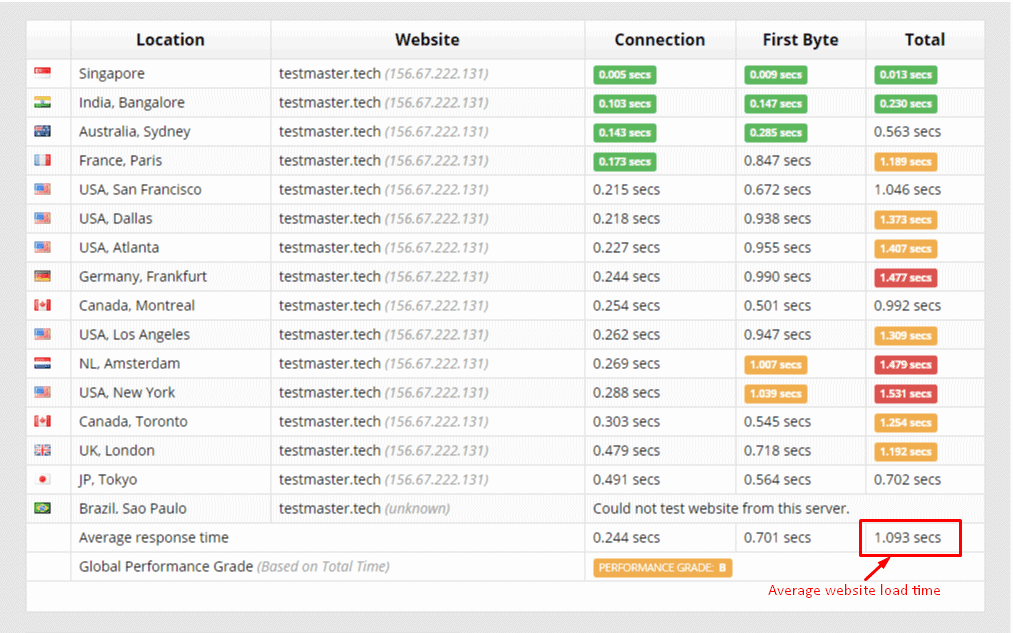
Litespeed Servers And Performance Optimization: Faster Load Times
Hostinger uses LiteSpeed servers, which are known for speed and reliability. This technology helps websites load faster than standard servers. Benefits include:
- Improved page loading speed
- Better handling of traffic spikes
- Built-in caching for optimized performance
These performance enhancements reduce visitor wait times and improve user experience. Fast websites also rank better in search engines.
Custom Hpanel Interface: Intuitive Control Panel Experience
Instead of the traditional cPanel, Hostinger offers its own custom hPanel. This panel is simple and clean, designed to help beginners manage their sites easily.
- Clear layout with quick access to important tools
- Easy domain and email management
- One-click installs for popular apps like WordPress
The hPanel reduces confusion for new users, making site setup and maintenance smoother.
Limitations And Challenges: Ai Chatbot, Website Builder Constraints, And Resource Caps
Hostinger has some limits users should know about:
- AI Chatbot Issues: Getting help from a real person can be hard due to the AI chatbot system.
- Website Builder Limits: Once a template is chosen, changing it requires rebuilding the site.
- Resource Restrictions: Entry-level plans often have low resource caps, such as limited business emails and no CDN.
Advanced users needing dedicated servers or more control must consider other hosts. Hostinger focuses mainly on shared and VPS hosting.
Credit: www.websiteplanet.com
Pricing And Affordability Breakdown
Choosing a web hosting service means understanding its pricing clearly. Bluehost and Hostinger offer different pricing models. Each has unique costs for starting and renewing plans. This section breaks down their pricing tiers and extra fees. It helps you see which option fits your budget best.
Bluehost Pricing Tiers And Renewal Costs: Understanding The Investment
Bluehost offers several plans with varying features. Prices start low but rise on renewal. Here is a summary:
| Plan | Intro Price (per month) | Renewal Price (per month) | Key Features |
|---|---|---|---|
| Basic | $2.95 | $8.99 | 1 Website, 50 GB SSD Storage, Free SSL |
| Plus | $5.45 | $11.99 | Unlimited Websites, Unlimited SSD Storage, Free Domain |
| Choice Plus | $5.45 | $16.99 | Added Privacy, Backup, and Domain Privacy |
| Pro | $13.95 | $26.99 | High Performance, Dedicated IP |
The introductory prices are attractive for new users. Renewals cost significantly more. This price jump is common in web hosting. Planning for higher renewal fees is important to avoid surprises.
Hostinger’s Introductory Offers And Renewal Pricing: Evaluating Long-term Value
Hostinger focuses on affordability with simple pricing. It offers lower renewal rates than Bluehost. Plans include:
| Plan | Intro Price (per month) | Renewal Price (per month) | Key Features |
|---|---|---|---|
| Single Shared Hosting | $1.99 | $3.99 | 1 Website, 30 GB SSD, Free SSL |
| Premium Shared Hosting | $2.99 | $5.99 | Unlimited Websites, 100 GB SSD, Free Domain |
| Business Shared Hosting | $4.99 | $8.99 | Daily Backups, Increased Resources |
Hostinger’s introductory offers are among the cheapest. Renewal rates remain low compared to many competitors. This pricing suits users aiming for long-term savings without losing essential features.
Additional Costs: Security Features, Priority Support, And Upsells
Both Bluehost and Hostinger add costs for extra features. Understanding these costs helps avoid surprises.
- Security Features: Bluehost often charges for domain privacy and site backups on lower plans. Hostinger includes some security tools but charges for advanced backups and protection.
- Priority Support: Bluehost offers premium support at extra cost. Hostinger’s support is included but priority access may need upgrades.
- Upsells: Bluehost promotes add-ons during signup, such as SEO tools and SiteLock. Hostinger’s interface is cleaner but may still suggest extras like email accounts and CDN services.
Extra costs can add up. Factor them in when comparing total investment. Choose plans that include must-have features without heavy upsells.
Pros And Cons Based On Real-world Usage
Choosing between Bluehost and Hostinger depends on actual user experience. Both hosting providers offer unique benefits and face certain challenges. This section explores their strengths and weaknesses based on real-world usage in key areas such as support, performance, features, and pricing.
Bluehost Strengths And Weaknesses: Support Quality, Performance, And User Experience
Bluehost is known for its reliable support team and solid performance. Users often praise the availability of 24/7 live chat and phone support, making problem-solving faster. The platform uses the popular cPanel interface, which many users find familiar and easy to navigate.
- Support Quality: Responsive customer service with real human agents.
- Performance: Stable uptime and decent loading speeds across shared and VPS hosting.
- User Experience: Intuitive cPanel interface but can be slower due to heavier backend systems.
On the downside, Bluehost’s pricing is higher than many competitors. Some users report occasional slow loading times during peak hours. The renewal rates can surprise beginners, and the extra add-ons increase the final cost.
Hostinger Advantages And Drawbacks: Affordability, Features, And Limitations
Hostinger stands out for its affordability and fast performance. Its custom hPanel interface is sleek but may confuse users familiar with cPanel. Hostinger offers impressive load speeds and a clean dashboard, enhancing user experience.
- Affordability: Lower prices with excellent value for shared and VPS hosting.
- Features: Includes free SSL, daily backups, and a built-in website builder.
- Limitations: AI chatbot can block direct access to human support. Website builder lacks template-switching options, requiring restarts. Lower-tier plans miss features like CDN and multiple business emails.
Hostinger focuses on shared and VPS hosting but does not offer dedicated servers. Users needing advanced bare-metal control must look elsewhere. Some entry-level plans limit scalability and email accounts.
Comparative Analysis: Which Provider Excels In Different Use Cases
| Use Case | Bluehost | Hostinger |
|---|---|---|
| Beginners needing support | Better: Human support, easy cPanel | Challenging AI chatbot, custom panel |
| Budget-friendly hosting | More expensive plans | Better: Low-cost, feature-rich plans |
| Performance and speed | Good uptime, moderate speed | Faster load times with optimized servers |
| Advanced hosting needs | Offers dedicated servers | Limited to shared and VPS hosting |
| Feature-rich basic plans | Includes standard features | Includes free SSL and backups |
This comparison clarifies which host fits specific needs. Bluehost suits users valuing strong support and cPanel familiarity. Hostinger appeals to those prioritizing low cost, speed, and modern features.
Credit: www.wpbeginner.com
Ideal Users And Recommended Scenarios
Choosing between Bluehost and Hostinger depends on specific user needs and project goals. Both hosts serve different audiences well. Understanding who benefits most from each service helps make the right choice.
Who Should Choose Bluehost: WordPress Enthusiasts And Growing Businesses
Bluehost fits users focused on WordPress and those planning to scale their websites. It offers strong integration with WordPress, making setup and management easier for bloggers and content creators.
- WordPress optimized hosting with official recommendation.
- Ideal for medium to large websites growing their audience.
- Good for businesses that need reliable performance and support.
- Offers cPanel, familiar for users managing multiple sites.
Bluehost also provides various plans to support business growth. Its customer service is more traditional, useful for users seeking live human support.
Who Should Opt For Hostinger: Beginners, Small Projects, And Cost-sensitive Users
Hostinger suits beginners and users with small projects. Its pricing is among the lowest, making it great for startups and personal websites.
- Very affordable plans with solid features.
- Simple, custom hPanel interface, though different from cPanel.
- Best for basic websites and small e-commerce stores.
- Includes shared hosting and VPS options, but no dedicated servers.
Hostinger’s support uses AI chatbots first, which can slow human contact. Its website builder limits template changes, so plan design carefully.
When To Consider Alternatives: High-traffic Sites, Dedicated Servers, And Specialized Needs
Neither Bluehost nor Hostinger fits every scenario. For websites with very high traffic or specific server needs, other options may work better.
| Scenario | Reason to Consider Alternatives |
|---|---|
| High-Traffic Websites | Both hosts may struggle with performance and resource limits. |
| Dedicated Servers | Hostinger does not offer bare-metal dedicated servers; Bluehost offers limited options. |
| Specialized Hosting Needs | Advanced e-commerce, AI features, or custom setups may require other providers. |
Users needing full control, enhanced security, or custom configurations should explore specialized hosts.
Conclusion: Making The Best Choice For Web Hosting In 2026
Choosing the right web host shapes your online success. Both Bluehost and Hostinger serve millions, but their strengths suit different needs. This section breaks down key differences, offers advice for budgets and goals, and highlights future trends. Clear insight helps you pick the best hosting for 2026.
Summary Of Key Differences And Strengths
| Feature | Bluehost | Hostinger |
|---|---|---|
| Pricing | Higher starting costs | More affordable plans |
| Performance | Reliable but slower load times | Faster loading speeds |
| User Interface | Standard cPanel | Custom hPanel, may confuse cPanel users |
| Support | Access to human agents easier | AI chatbot can delay human contact |
| Features | More suited for beginners with integrated tools | More features in plans but basic tiers lack CDN and advanced AI |
| Scalability | Offers dedicated servers | No dedicated servers, focuses on shared and VPS |
Final Recommendations Based On Needs And Budget
- Small websites and tight budgets: Hostinger offers better value and speed.
- Users preferring familiar control panels: Bluehost’s cPanel is easier to use.
- Businesses needing dedicated servers: Bluehost is the clear choice.
- Sites with heavy traffic: Bluehost handles high loads more consistently.
- Those wanting simple setup and support: Bluehost’s easier human support suits beginners.
- Users comfortable with newer interfaces: Hostinger provides an intuitive but different experience.
Future Outlook: Trends And Considerations For Web Hosting
Web hosting in 2026 will focus on speed, security, and automation. Cloud hosting and VPS options grow popular. AI-powered tools improve website management but may limit direct human help.
Expect more integration of Content Delivery Networks (CDN) to boost global loading times. Security features like SSL certificates and malware scanning become standard.
Hostinger’s approach targets affordable, fast shared hosting with modern interfaces. Bluehost continues to support users who want traditional setups and advanced scalability.
Choosing a host aligned with future trends ensures long-term stability and smooth growth.
Frequently Asked Questions
Which Is Better Hostinger Or Bluehost?
Hostinger offers better value with lower prices, faster speeds, and user-friendly tools. Bluehost suits WordPress users needing strong support. Choose based on your specific needs.
What Is The Disadvantage Of Hostinger?
Hostinger’s disadvantages include limited customer support access, no cPanel, website builder restrictions, and higher renewal rates after low introductory prices.
Which Hosting Platform Is Best?
Hostinger offers the best overall value with low prices, fast servers, and beginner-friendly features. SiteGround suits small businesses needing strong support. Bluehost excels in WordPress hosting, while Liquid Web provides top server performance for demanding sites. Choose based on your specific needs.
Can Bluehost Handle High Traffic Websites?
Bluehost can manage moderate to high traffic with its VPS and dedicated hosting plans. Shared hosting suits low to medium traffic sites. For very high traffic, upgrading to advanced plans ensures better performance and stability.
Conclusion
Choosing between Bluehost and Hostinger depends on your needs and budget. Hostinger offers lower prices and faster speeds. Bluehost provides more traditional tools and phone support. For beginners or small sites, Hostinger is a strong choice. It has easy setup and good performance. Keep in mind, Hostinger’s basic plans have some limits. For more details and to explore Hostinger’s plans, visit Hostinger official site. Make your hosting decision based on what fits your website best.