

Best Web Hosting for Your Personal Site: Find the Perfect Fit Your personal website deserves more than just a place to exist online—it needs a solid foundation to shine. Whether you’re starting a blog, creating a portfolio, or showcasing your passion project, choosing the right web hosting is the first step to making it all work seamlessly.
But here’s the catch: not all hosting services are created equal. Some promise the world but leave you with slow loading speeds, constant downtime, or surprise fees. Sound familiar? This is why finding the best web hosting for your personal site isn’t just a choice—it’s a game-changer.
And the good news? You don’t have to wade through endless options or get lost in tech jargon. In this guide, we’ll break it all down for you. You’ll discover which web hosting providers deliver speed, reliability, and affordability without cutting corners. Ready to give your personal site the foundation it deserves? Let’s dive in.
Types Of Hosting Options
Choosing the right web hosting is crucial for your personal site. Different hosting types cater to different needs and budgets. Understanding these options helps you make a confident decision. Below, we break down the main hosting types to help you choose wisely.
Shared Hosting
Shared hosting is the most budget-friendly option for beginners. Your site shares a server with many other websites. This reduces costs but may affect performance during high traffic. It’s ideal for small personal sites or blogs with low visitor numbers. Setup is simple, and hosting companies handle server management.
Vps Hosting
VPS hosting offers more control and better performance than shared hosting. It divides a single server into multiple virtual servers. Each site gets dedicated resources, which improves reliability. It’s suitable for growing websites needing moderate traffic handling. You also get more customization options for your server environment.
Dedicated Hosting
Dedicated hosting gives you an entire server for your site. This option provides maximum performance, security, and control. It’s best for large sites or those with high traffic demands. Server management may require technical skills or hiring a professional. Costs are higher, but the benefits are significant for demanding websites.
Cloud Hosting
Cloud hosting uses multiple servers to host your website. This ensures higher reliability, as your site doesn’t rely on a single server. It’s scalable, meaning you can adjust resources based on traffic needs. This hosting is ideal for sites with unpredictable traffic or rapid growth. Costs are often flexible, based on the resources you use.
Features To Look For
Choosing the best web hosting for your personal site can be overwhelming, but knowing which features matter most can simplify the process. These features directly impact your site’s performance, reliability, and user experience. Let’s dive into what you should look for to ensure your site runs smoothly and keeps visitors coming back.
Uptime Guarantee
Imagine pouring your time and energy into creating your site, only for it to be offline frequently. You don’t want that. Uptime guarantee is the percentage of time your host promises your site will be accessible online. Look for hosts that offer at least 99.9% uptime. Anything less can lead to frustrated visitors.
Reliable uptime is especially critical if you’re showcasing a portfolio or running a personal blog. Your audience expects your site to be available whenever they visit. Check reviews or monitoring tools like Pingdom to confirm the host’s uptime claims.
Speed And Performance
Your site’s speed can make or break user experience. If your pages load slowly, visitors are likely to leave. Hosting providers should have optimized servers, content delivery networks (CDNs), and caching options to ensure fast loading times.
Look for hosts that openly talk about their server speed. For example, providers like SiteGround or A2 Hosting are known for their emphasis on performance. If you’re sharing personal stories or photos, speed matters more than you think—it keeps your audience engaged.
Storage And Bandwidth
How much storage and bandwidth do you need? It depends on your site’s content. If you plan to showcase high-resolution images or videos, opt for hosts with generous storage limits. Bandwidth determines how much traffic your site can handle without slowing down.
Some hosts offer unlimited storage and bandwidth, but read the fine print. “Unlimited” might come with hidden restrictions. If you’re just starting out, you might not need unlimited resources, but having room to grow is always a plus.
Customer Support
Picture this: your site crashes right before you share an exciting blog post. Who do you turn to? Customer support can be a lifesaver in moments like this. Look for hosts that offer 24/7 support via multiple channels—live chat, email, and phone.
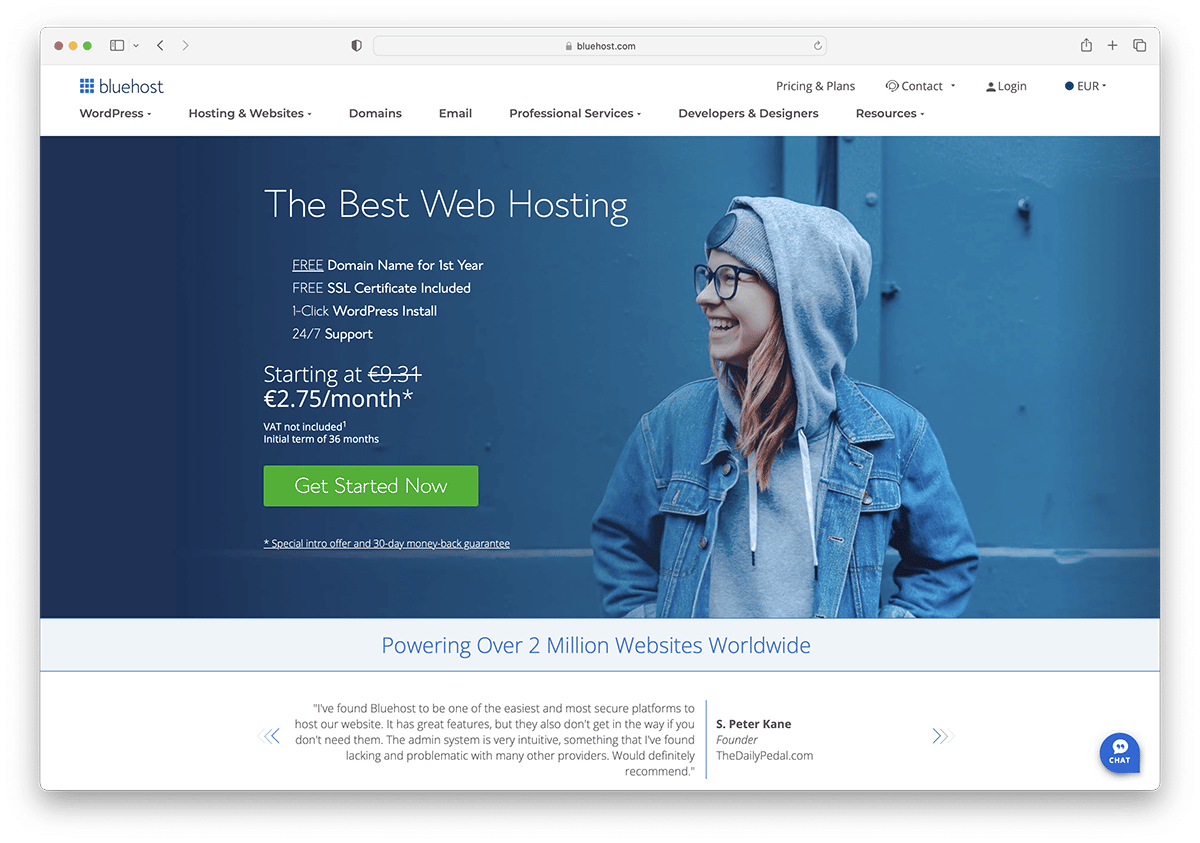
Responsive support teams can solve issues quickly. For instance, Bluehost and HostGator are praised for their helpful support. Test their response times before committing. A quick chat with their team can give you a feel for how they handle problems.
As you evaluate web hosting options, keep these features in mind. They’re not just technical details—they directly affect your site’s success. What feature matters most to you? Share your thoughts below!
Top Hosting Providers
Looking to launch your personal website and wondering which hosting provider is the best fit for you? With so many options available, it’s easy to feel overwhelmed. That’s why breaking it down by affordability, beginner-friendliness, performance, and sustainability can help you make the right choice.
Affordable Options
Not everyone wants to spend a fortune on hosting, especially if you’re just starting out. Providers like Hostingerand Bluehostare known for their budget-friendly plans without skimping on essential features. Hostinger, for instance, offers plans starting as low as $2.99/month and includes free SSL certificates to keep your site secure.
Before committing, think about what you actually need. Do you need unlimited storage or a free domain name? If not, these low-cost options might be perfect for your personal site while keeping your wallet happy.
Best For Beginners
If you’re just dipping your toes into website creation, some hosting providers make life much easier. SiteGroundand Bluehost are often recommended for beginners because of their intuitive dashboards and excellent customer support.
Bluehost even integrates seamlessly with WordPress, the most popular website builder, so you can set up your site in minutes. Their step-by-step tutorials are a lifesaver when you’re navigating this for the first time. Don’t let tech jargon scare you—these providers are designed to simplify the process.
High-performance Providers
Want your site to load in the blink of an eye? High-performance hosting providers like A2 Hosting and WP Enginespecialize in speed and reliability. A2 Hosting’s Turbo plans, for example, promise up to 20x faster page loads, which can significantly improve your visitors’ experience.
Speed matters, especially if you’re sharing a portfolio or blog where first impressions count. A faster site can also help with search engine rankings. If performance is your top priority, these providers are worth the investment.
Eco-friendly Hosting
Concerned about your website’s environmental impact? Hosting providers like GreenGeeksand DreamHostare leading the charge in eco-friendly hosting. GreenGeeks, for example, matches 300% of the energy they use with renewable energy credits.
Choosing a sustainable hosting provider lets you minimize your carbon footprint while still running a fully functional site. It’s a small step that makes a big difference, especially if your site aligns with values of sustainability and environmental awareness.
So, which hosting provider feels like the right fit for your personal site? Whether you’re on a budget, a total beginner, or someone who values high performance or sustainability, there’s a hosting solution tailored just for you. Take the time to explore these options, and you’ll be one step closer to bringing your online presence to life.
Comparing Plans And Pricing
Choosing the best web hosting for your personal site can feel overwhelming. Plans and pricing vary widely, making it hard to decide. Understanding the differences can help you pick the right option. Let’s break down the key factors to compare.
Free Vs Paid Hosting
Free hosting may seem tempting, but it has limitations. Most free plans include ads, limited storage, and slower speeds. They may also lack customer support or customization options. Paid hosting, on the other hand, offers reliability and better features. You often get faster performance, more storage, and no ads. Paid plans also provide better security and professional support. For a personal site, consider your goals before choosing.
Monthly Vs Annual Billing
Web hosting providers often offer two billing options: monthly and annual. Monthly plans give flexibility but cost more in the long run. Annual billing usually includes discounts and extra features. Paying annually can save money and reduce billing hassles. Always check refund policies in case you’re unsatisfied with the service.
Hidden Costs To Watch For
Some hosting providers advertise low prices but add hidden fees. Watch for domain renewal costs, email hosting fees, or higher renewal rates. SSL certificates may not always be included in the price. Backup and security services could also cost extra. Read the fine print before committing to a plan. Transparent pricing ensures there are no surprises later.
Security And Backup Features
When choosing the best web hosting for your personal site, security and backup features are non-negotiable. Your website is your digital identity, and protecting it from threats is essential. Beyond safeguarding your data, reliable backup features ensure that even if something goes wrong, you can recover quickly.
Ssl Certificates
SSL certificates are crucial for your website’s security. They encrypt the data exchanged between your site and its visitors, protecting sensitive information like passwords and payment details. Most top web hosting providers offer free SSL certificates, saving you money and ensuring your site looks trustworthy with that reassuring padlock in the browser bar.
If your hosting provider doesn’t include SSL certificates, it’s a red flag. Visitors are more likely to leave your site if they see a “Not Secure” warning, especially if you’re asking for personal information.
Daily Backups
Imagine spending months crafting your personal site, only to lose it all due to a server crash or accidental deletion. Daily backups can prevent this nightmare. Many web hosts provide automated backups that store your site’s data safely, allowing you to restore it in minutes.
Check if your hosting plan offers easy access to backups. Some providers even allow you to recover specific parts of your site, like a single page or database, without restoring everything.
Malware Protection
No one wants their site to be hacked or infected with malware—it can damage your reputation and compromise your visitors’ security. Look for hosting providers that offer built-in malware scanning and removal tools. These features can detect threats early and protect your site from becoming a target.
Some hosts even offer proactive monitoring to alert you of suspicious activities. Make sure the provider offers 24/7 support so you can act quickly if an issue arises.
Is your current hosting provider ticking all these boxes? If not, it might be time to make the switch. A secure and reliable hosting service is the backbone of any successful personal site. Don’t settle for less.

Ease Of Use And Setup
Setting up a personal site becomes simple with user-friendly hosting platforms. Clear instructions and intuitive dashboards streamline the process effortlessly. Beginners can launch their websites quickly without technical expertise.
Choosing a web hosting service for your personal site should be simple. A straightforward setup process saves time and frustration. The best hosting providers focus on ease of use. They streamline everything so even beginners can get started quickly. User-friendly tools and interfaces make managing your website less stressful. Below are some key features that enhance ease of use.
One-click Installers
One-click installers simplify installing software like WordPress or Joomla. You don’t need technical skills or coding knowledge. With just one click, you can install popular apps. This feature is perfect for creating blogs, portfolios, or personal pages. Many hosting providers include one-click installers for free. Look for hosts offering this feature to make setup faster.
Control Panel Options
Control panels are essential for managing your hosting account. They let you handle files, emails, and databases easily. cPanel is the most popular control panel for its simplicity. Some hosting providers also offer custom control panels. These are often tailored to specific needs. Choose a host with a clean, intuitive control panel.
Website Builders
Website builders are ideal for those without coding skills. They let you create beautiful sites using drag-and-drop tools. Many hosting providers include built-in website builders in their plans. These tools offer pre-designed templates that are easy to customize. Hosting with a website builder is great for personal sites. It ensures you can design your site quickly and effortlessly. `
Scalability And Growth Potential
Scalability and growth potential are essential for personal websites. As your site grows, your hosting needs may change. A scalable hosting plan ensures your website adapts to increasing demands. Whether you are adding more content or seeing a rise in visitors, the right hosting plan supports your growth without interruptions.
Upgrading Plans
A good web hosting provider offers seamless plan upgrades. You can start with a basic plan and switch to advanced options as your needs grow. This flexibility saves money while ensuring your site performs well. Hosting providers often allow one-click upgrades, making the process simple and quick.
Resource Flexibility
Scalable hosting provides flexible resource allocation. You can adjust storage, bandwidth, or memory as needed. This ensures your site remains responsive and fast, even as demands increase. With flexible resources, you can avoid paying for unused capacity. It’s a cost-effective way to manage your hosting needs.
Handling Traffic Spikes
Traffic spikes can occur during promotions or viral content. A scalable hosting plan handles these surges without downtime. Many providers use cloud-based solutions to distribute the load efficiently. This ensures visitors experience smooth browsing, even during high traffic. Reliable hosting guarantees your site remains accessible at all times.
User Reviews And Ratings
Choosing the best web hosting for your personal site is crucial. User reviews and ratings offer valuable insights about hosting providers. They highlight real experiences and help others make informed decisions. Below, we explore user feedback through pros, cons, complaints, and success stories.
Pros And Cons
Users often praise hosting providers for fast loading speeds. Reliable uptime is another common benefit that people value. Many appreciate user-friendly interfaces and simple setup processes. Affordable pricing plans also attract budget-conscious individuals.
On the downside, users sometimes report limited features with cheaper plans. Occasional performance issues during peak traffic are mentioned. Some find customer support response times slower than expected. Others dislike hidden fees in certain providers’ pricing structures.
Common Complaints
Slow customer service response often frustrates users. Many complain about unclear pricing details. Some users feel misled by promotional offers that exclude key features. Downtime during server maintenance irritates those relying on consistent uptime.
Billing issues, such as unexpected charges, are frequently mentioned. A few reviewers find the migration process difficult with certain providers. Others dislike restrictions on bandwidth or storage in basic plans.
Success Stories
Many users share positive experiences with seamless website launches. Some highlight significant growth after switching to feature-rich hosting plans. Others enjoy peace of mind from consistent security measures.
Users often celebrate improved site speed and performance. Many appreciate helpful customer service solving issues quickly. A few share stories of scaling their sites successfully with hosting upgrades.
Tips For Choosing The Right Host
Choosing the right web hosting for your personal site is crucial. A dependable host ensures your site runs smoothly and stays accessible. With many options available, it’s essential to consider a few key factors. This guide will help you make an informed decision based on your needs and budget.
Identifying Your Needs
Start by understanding the purpose of your personal site. Are you building a portfolio, blog, or a small e-commerce store? The type of site determines the hosting features you’ll need. For simple sites, shared hosting is often enough. For larger projects, consider VPS or dedicated hosting.
Think about your expected traffic and storage requirements. Personal sites with low traffic need less bandwidth. Larger sites or media-heavy pages need more resources. Make a list of features like email accounts, backups, or SSL certificates. This will help you compare hosting providers effectively.
Testing Trial Periods
Most hosting providers offer trial periods or money-back guarantees. Use these trials to test the performance and reliability of the host. Check the loading speed of your site during the trial. A slow host can frustrate visitors and hurt your search rankings.
Test the customer support responsiveness during this period. Reliable support is critical if you face issues. Evaluate how easy the hosting dashboard is to use. A user-friendly interface saves you time and reduces confusion.
Evaluating Long-term Value
Consider the cost of hosting beyond the introductory price. Many hosts offer discounts initially but renew at higher rates. Look for a plan that fits your budget in the long term. Check if the host includes free features like SSL, backups, or domain registration. These extras can save you money.
Read reviews to understand the host’s reliability and uptime. Downtime can hurt your site’s reputation. Choose a provider with a proven record of stability. Prioritize value over the cheapest option to avoid future headaches.

Frequently Asked Questions
What Is The Best Web Hosting Provider For Personal Websites?
Bluehost, SiteGround, and HostGator are top-rated web hosting providers for personal websites. They offer reliable performance, affordable plans, and excellent support. Choose based on your budget, features, and scalability needs for the best experience.
Which Hosting Is Best For A Small Website?
Shared hosting is ideal for small websites due to its affordability and simplicity. Providers like Bluehost, SiteGround, and Hostinger offer reliable performance, easy setup, and customer support tailored for beginners. Select a plan with sufficient storage, bandwidth, and scalability to match your website’s growth.
Always prioritize uptime and security features.
Can I Host My Website Myself?
Yes, you can host your website yourself. It requires a computer, server software, stable internet connection, and technical expertise.
What Is The Best Place To Host Your Website?
The best place to host your website depends on your needs. Popular options include Bluehost for beginners, SiteGround for performance, and HostGator for affordability. Choose a reliable provider with fast loading speeds, strong security, and good customer support. Compare features, pricing, and reviews to find the ideal hosting platform.
Conclusion
Choosing the best web hosting for a personal site is essential. It ensures reliability, speed, and security for your online presence. Compare features, pricing, and customer support before making a decision. Focus on what suits your website’s needs and budget.
A good host can make your site easy to access for visitors. Take time to research and read user reviews carefully. The right web hosting service helps your site perform better and stay online. Start today, and build a strong foundation for your personal site’s growth!